Top 7 Benefits of Epoxy and Urethane Flooring for Manufacturing Facilities
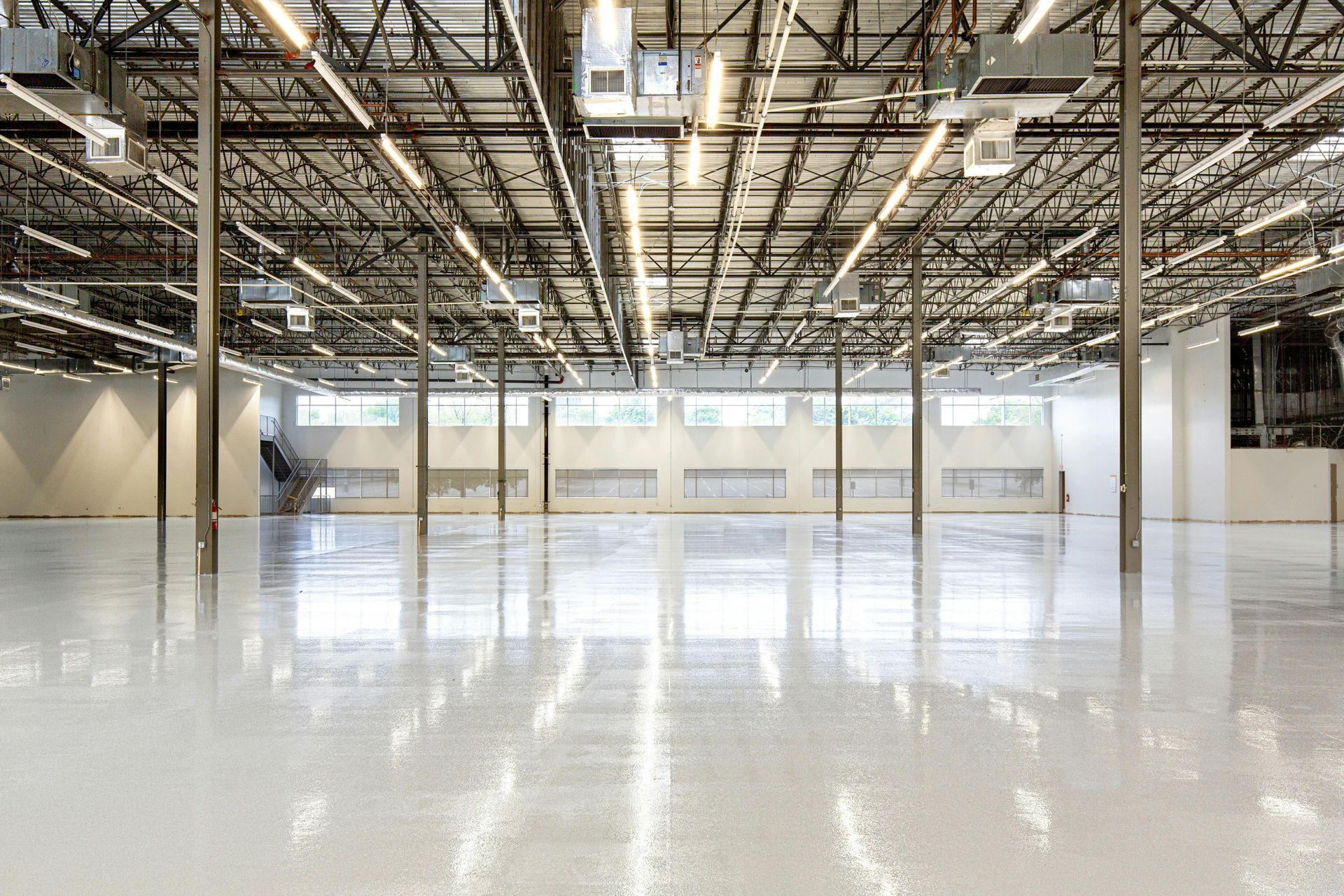
Manufacturing facilities face some of the toughest operational challenges. From handling heavy machinery to withstanding chemical spills, floors in these environments must perform at their peak under demanding conditions. That’s why epoxy/urethane flooring systems are an ideal choice. These high-performance solutions combine durability, safety, and cost-effectiveness, making them a staple in manufacturing spaces.
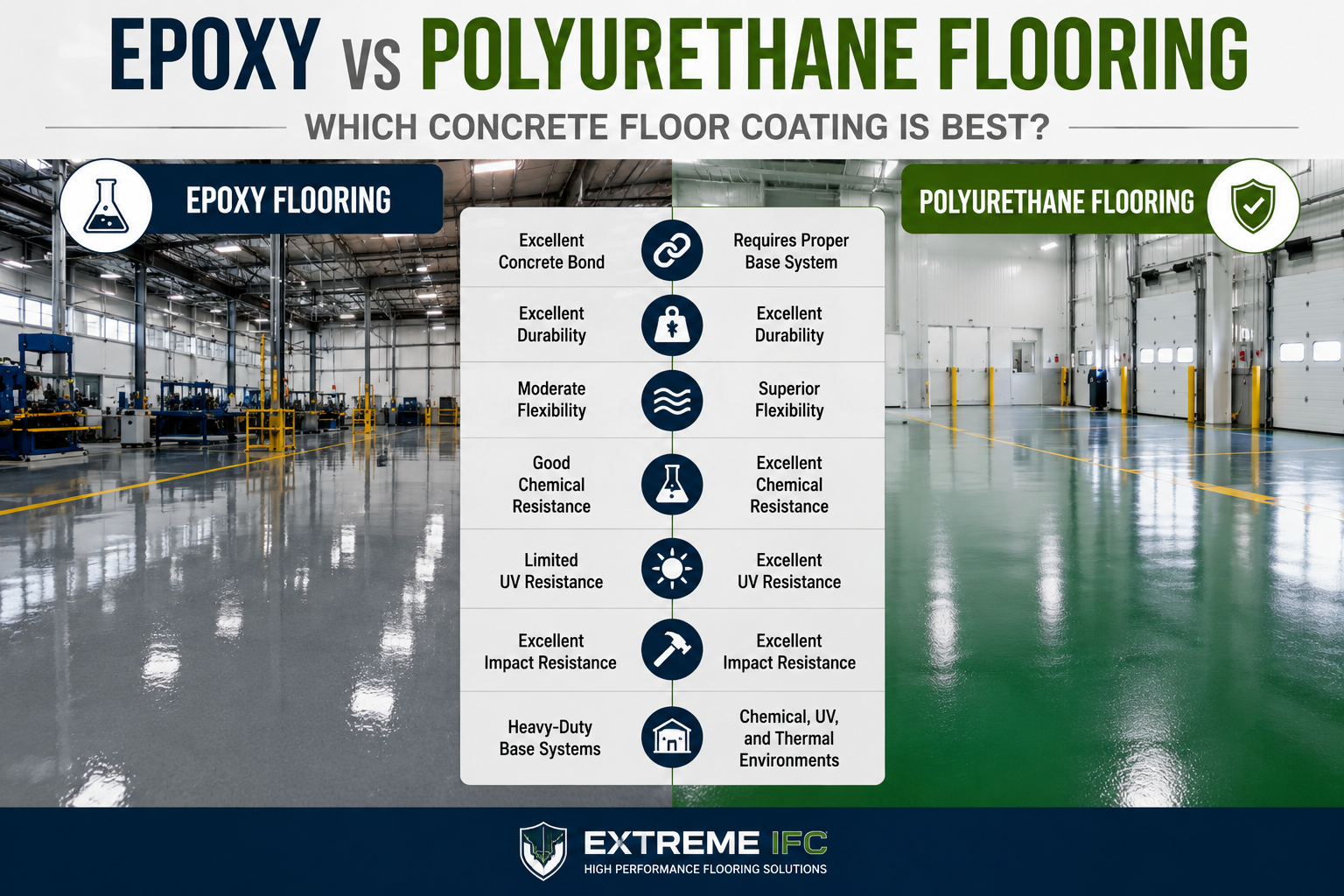
Here are the top 7 benefits of epoxy and urethane flooring systems that make them a game-changer for manufacturing facilities:
1. Superior Chemical Resistance
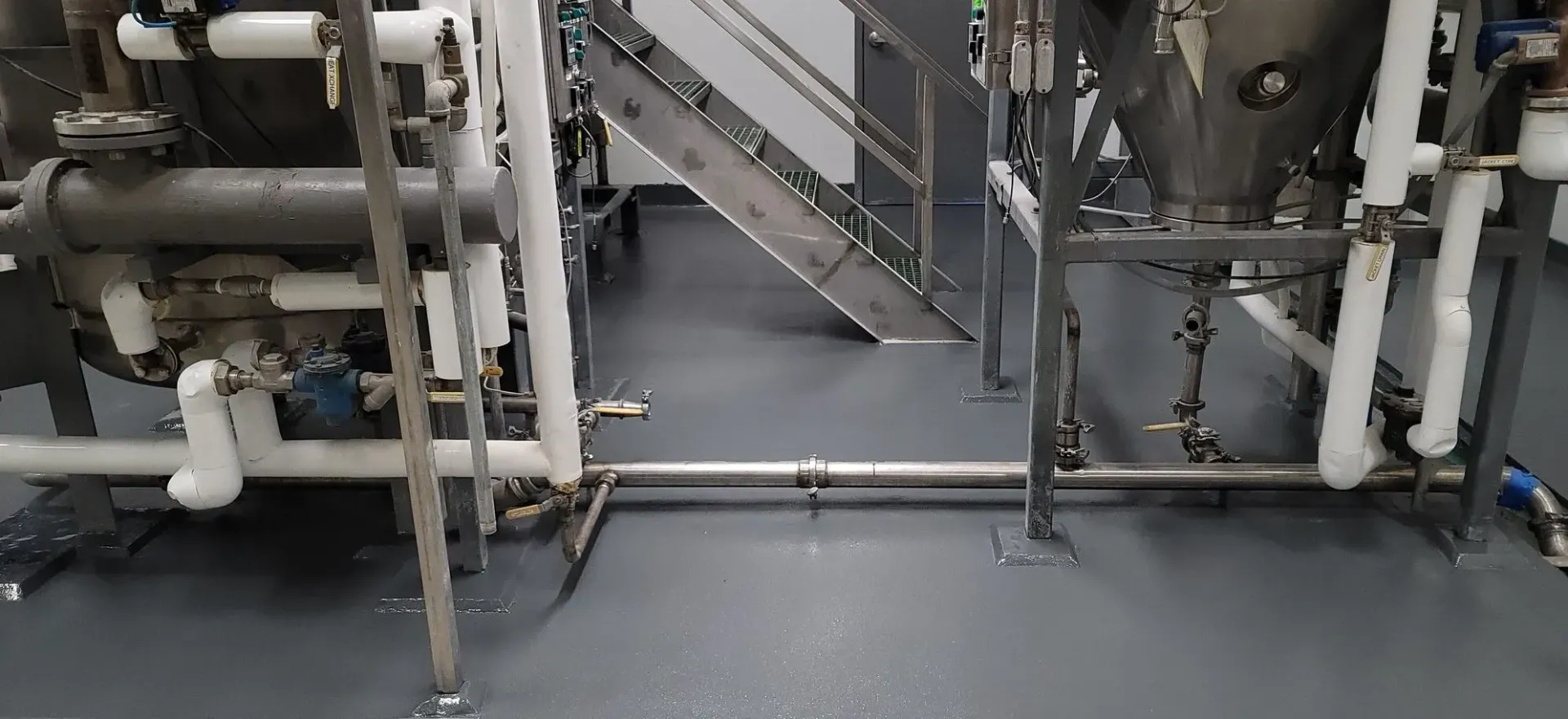
Manufacturing facilities often deal with chemicals, oils, and other substances that can damage ordinary flooring. Epoxy and urethane floors are specifically designed to resist chemical spills, making sure the surface remains intact and safe. For industries like chemical processing or automotive manufacturing, this benefit is invaluable.
Example: Imagine a car manufacturing unit where oils and lubricants frequently spill onto the floor. An epoxy coating prevents these liquids from seeping into the surface while remaining easy to clean.
2. High Impact Resistance
The constant use of heavy machinery, tools, and equipment can cause wear and tear on standard floors. Epoxy and urethane flooring systems boast remarkable impact resistance, proving their ability to withstand heavy loads without cracking or chipping.
Example: A facility using robotic arms and assembly line equipment needs flooring that doesn’t deteriorate under sharp impacts. Epoxy floors are up to the challenge, preventing damage and extending the floor’s lifespan.
3. Durability Under Forklift Traffic
Forklifts and other heavy vehicles are a regular sight in manufacturing plants, causing significant strain on flooring. Epoxy and urethane systems are specifically designed to handle this pressure without scuffing or breaking, even under continuous use.
Example: A distribution center storing heavy goods can confidently deploy forklifts with urethane-coated flooring, knowing it won’t buckle or erode over time.
4. Easy Maintenance
Industrial floors must be easy to clean for both operational efficiency and workplace safety. Epoxy and urethane systems provide smooth, seamless surfaces that don’t trap dirt, dust, or chemicals. A simple mop or scrub leaves the flooring clean and ready for use.
Example: Appliances manufacturers can benefit from these easy-to-maintain floors, keeping the floors clean with minimal labor investments.
5. Slip-Resistance for Worker Safety
Worker safety is a top priority in manufacturing facilities, and epoxy and urethane coatings can be customized to include slip-resistant textures. This makes the floors safer in areas prone to spills, reducing the risk of accidents.
Example: Food and beverage factories often deal with wet floors. Slip-resistant urethane flooring helps mitigate falls, even in areas with frequent water or grease spills.
6. Customizable for Specific Needs
Epoxy and urethane flooring systems can be tailored to meet specific manufacturing needs, such as adding anti-static properties, high-gloss finishes for improved lighting, or even company logos for branding.
Example: A pharmaceutical manufacturer can opt for anti-static epoxy flooring in their cleanrooms, making sure sensitive electronic equipment isn’t affected by static discharge.
7. Long-Term Cost Savings
While epoxy and urethane floors require an upfront investment, their durability and low maintenance save significant money over time. They minimize repair costs, increase floor longevity, and improve facility safety, translating into clear financial benefits.
Example: A packaging plant can reduce repair and replacement costs by opting for a urethane floor system able to last for decades.
Test Your Knowledge With Our Multiple-Choice Questions: No Cheating. Eyes on the questions.
Question 1:
What is one of the primary reasons epoxy floors are suitable for manufacturing facilities?
A) They are decorative
B) They are chemical-resistant
C) They are soft and flexible
D) They are difficult to clean
Answer: B) They are chemical-resistant
Explanation: Epoxy floors resist damage from chemicals, making them ideal for environments where substances such as oils or acids might spill.
Question 2:
What kind of traffic are epoxy and urethane flooring systems specifically designed to handle?
A) Bicycle traffic
B) Forklift traffic
C) Pedestrian-only traffic
D) No traffic
Answer: B) Forklift traffic
Explanation: These flooring systems are durable enough to withstand heavy forklift use without cracking or eroding.
Question 3:
How do epoxy floors contribute to workplace safety in manufacturing facilities?
A) They absorb sound
B) They can be made slip-resistant
C) They are softer than concrete
D) They glow in the dark
Answer: B) They can be made slip-resistant
Explanation: Epoxy floors can include slip-resistant finishes, providing extra traction and reducing the risk of slips and falls.
Question 4:
What maintenance advantages do epoxy and urethane floors offer?
A) They require waxing every week
B) They are self-cleaning
C) Their surfaces are seamless and easy to clean
D) They cannot be maintained
Answer: C) Their surfaces are seamless and easy to clean
Explanation: The non-porous, seamless surface of epoxy floors provides efficient cleaning, saving both time and labor.
Question 5:
Which industries benefit the most from the chemical resistance of epoxy flooring?
A) Retail and fashion
B) Construction and landscaping
C) Chemical processing and automotive
D) Entertainment and event planning
Answer: C) Chemical processing and automotive
Explanation: These industries regularly deal with chemicals or oils, and epoxy’s resistance makes it an ideal flooring choice for these environments.
Question 6:
What is one customizable feature of urethane flooring systems?
A) Weather forecasting capability
B) Anti-static properties
C) Built-in heating
D) Hovering abilities
Answer: B) Anti-static properties
Explanation: Urethane floors can be tailored with anti-static features for environments like electronics manufacturing, where static discharge can cause damage.
Question 7:
What long-term benefit do epoxy and urethane floors provide?
A) Reduced sound levels
B) Lower electricity bills
C) Long-term cost savings
D) Reduced employee turnover
Answer: C) Long-term cost savings
Explanation: Their durability, minimal maintenance, and extended lifespan make them a cost-effective flooring solution for manufacturing facilities.
Epoxy and urethane flooring systems offer more than just a durable surface—they are long-term investments in safety, efficiency, and productivity. By leveraging their unique advantages and tailoring them to meet specific requirements, manufacturing facilities can transform their floors into valuable assets that stand the test of time.
Bonus Question:
Who is the best flooring installation company to call for Epoxy and Urethane Flooring?
A) The Floor Whisperers
B) Concrete Jungle Gym Co.
C) Slip 'n Slide Specialists
D) Extreme IFC
Answer: D) Extreme IFC
Explanation: Extreme IFC is the trusted expert in epoxy and urethane flooring systems. With decades of hands-on experience, they offer tailored solutions for manufacturing facilities, making sure floors that are safe, durable, and efficient. (And while "Slip 'n Slide Specialists" might sound fun, they’re not exactly what your warehouse needs!)