The Cost of Commercial Flooring: What to Expect and How to Plan!
When planning a commercial or industrial facility upgrade, flooring is one of the most significant investments you'll make. It impacts safety, durability, aesthetics, and your long-term operational budget. Understanding the cost of commercial flooring involves more than just the price per square foot; it’s about grasping the full scope of the project, from materials and preparation to installation and future maintenance.
This guide breaks down what to expect when budgeting for a new flooring system and how to plan effectively to ensure you get the best value and performance for your investment.
Key Factors That Influence Commercial Flooring Costs
Several variables determine the final price of your commercial flooring project. A clear understanding of these elements will help you create a realistic budget and avoid unexpected expenses.
1. Material and System Choice
The type of flooring system you select is the largest cost driver. Each option offers unique benefits in terms of durability, appearance, and chemical resistance, with prices that reflect these features.
- Polished Concrete: A cost-effective and highly durable option that utilizes your existing concrete slab. The cost varies based on the level of grinding and polishing required to achieve the desired sheen and smoothness. It’s an excellent choice for warehouses, retail spaces, and showrooms.
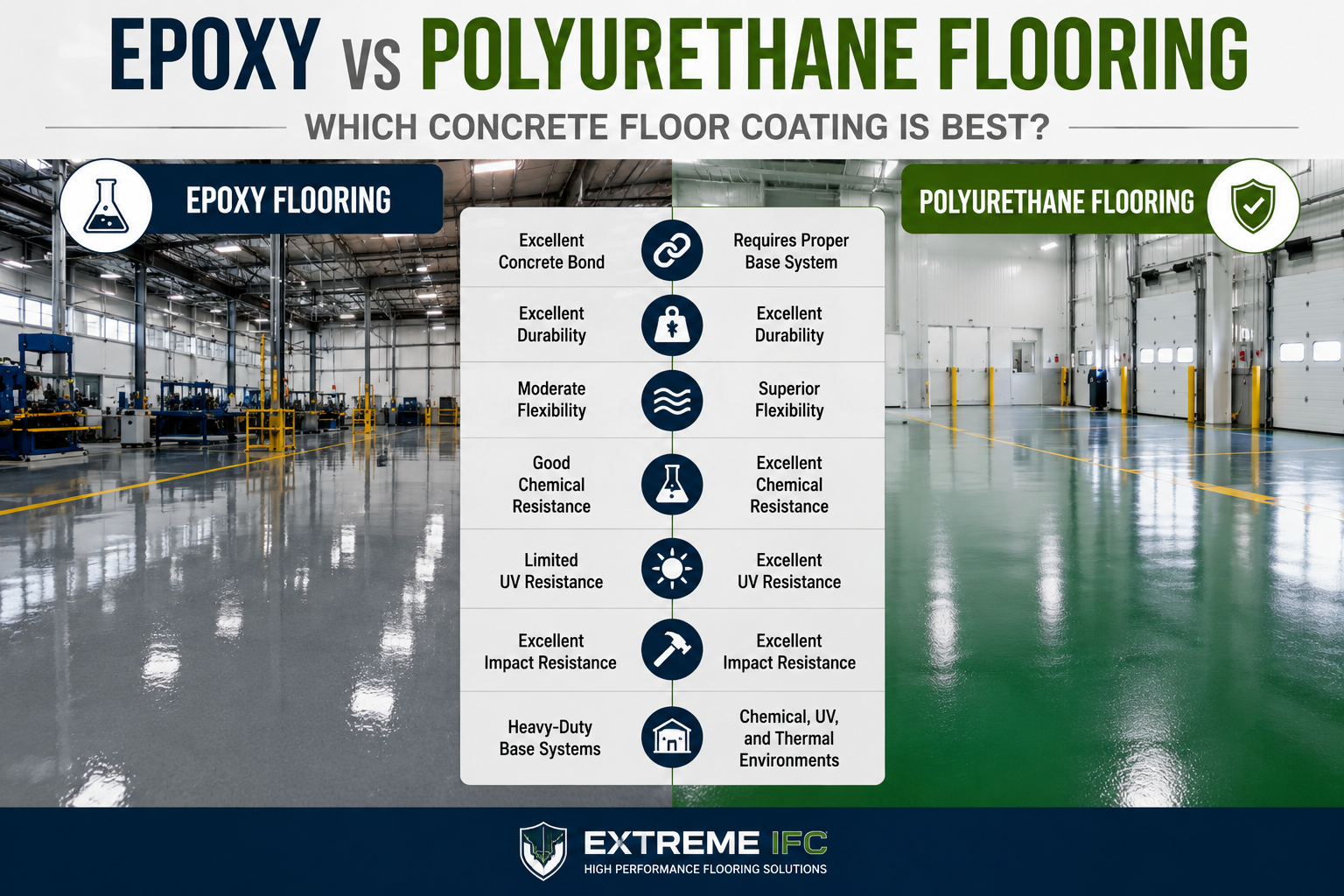
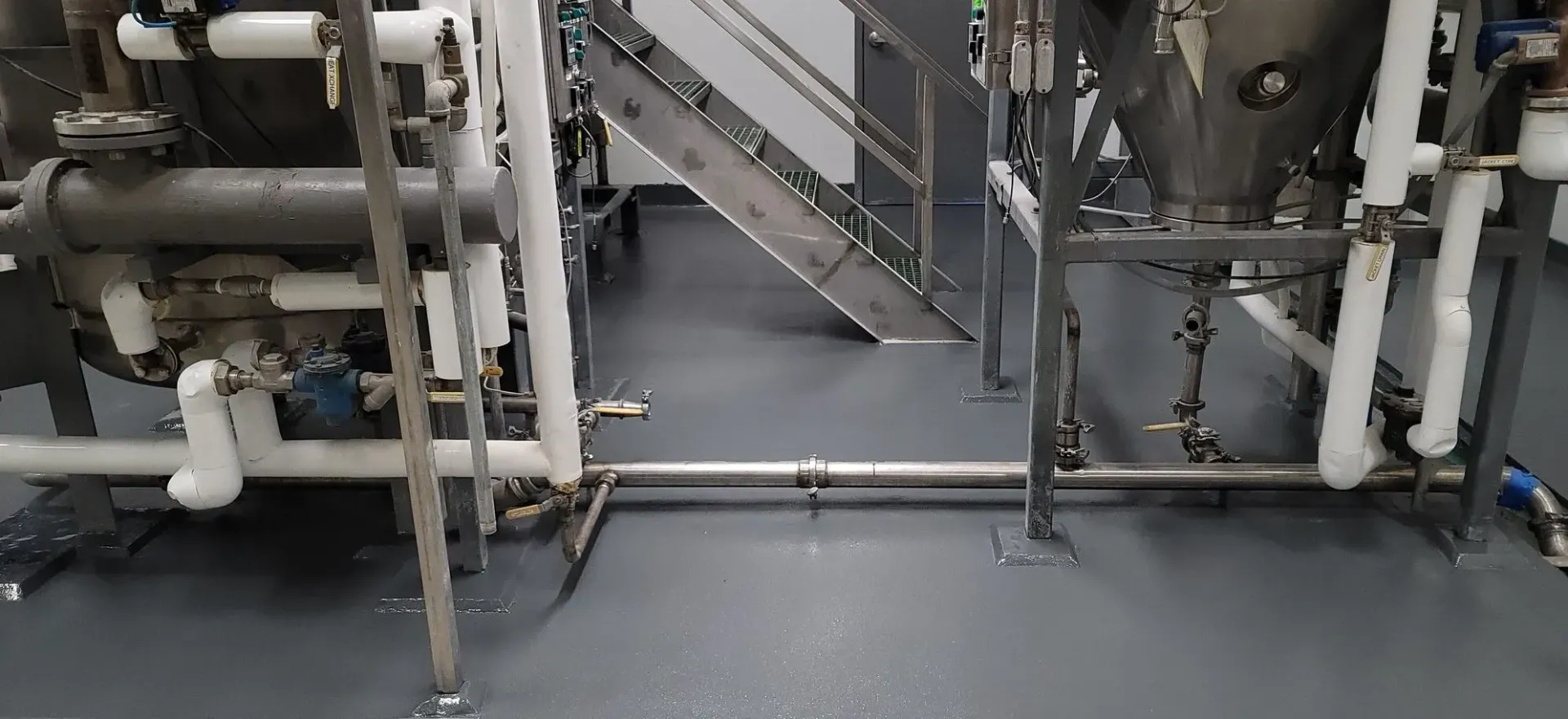
- Epoxy and Urethane Coatings: These resinous systems are prized for their seamless, non-porous, and chemical-resistant properties. The cost depends on the thickness, number of coats, and any special properties like anti-static or thermal shock resistance. They are ideal for manufacturing plants, healthcare facilities, and commercial kitchens.
- Decorative Concrete: If you want to transform a plain surface into a unique design element, decorative options like metallic epoxies, colored stains, or stamped overlays are perfect. These systems are more labor-intensive and artistic, which is reflected in their price.
Pro Tip: Don't choose a flooring system based on price alone. Consider the long-term value. A slightly more expensive but durable system like an epoxy mortar floor from Extreme IFC can save you thousands in repairs and replacement costs down the line.
2. The Condition of Your Existing Concrete Slab
What lies beneath your new floor is just as important as the floor itself. The condition of the concrete substrate significantly affects the project's complexity and cost.
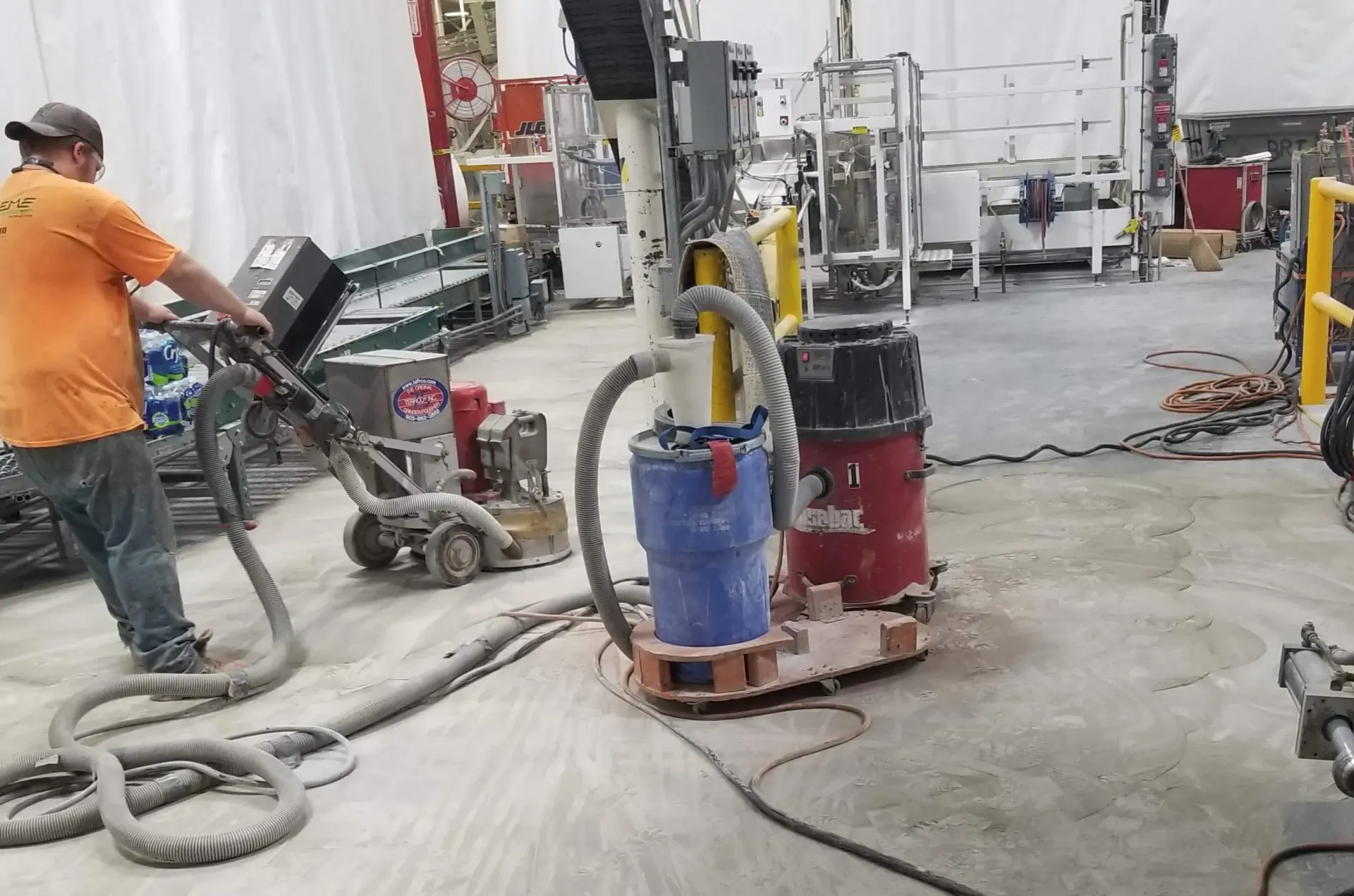
- Surface Preparation: Proper surface preparation is non-negotiable for a lasting floor. This process can involve shot blasting, diamond grinding, or scarifying to remove old coatings, contaminants, and create the ideal profile for the new system to bond to. The more extensive the prep work, the higher the cost.
- Repairs: Cracks, spalling, and unlevel surfaces must be repaired before any new flooring is installed. Neglecting these issues will lead to premature failure of the new system. The cost of repairs depends on the severity and extent of the damage.
Did You Know? Proper surface preparation accounts for up to 50% of the success of a new flooring installation. Skipping this step to save money upfront almost always leads to costly failures later.
3. Project Size and Complexity
The total square footage of the project is a primary factor, but complexity also plays a major role.
- Area Layout: An open, rectangular warehouse is simpler and faster to coat than a facility with many small rooms, tight corners, and fixed equipment to work around.
- Cove Base: In environments requiring high levels of sanitation, like commercial kitchens or pharmaceutical labs, an integral cove base is often installed. This seamless, curved transition from the floor to the wall makes cleaning easier but adds to the labor and material costs.
- Logos and Striping: Custom graphics, logos, and safety striping are fantastic for branding and workflow management but require detailed work that increases the overall project cost.
Quick Tip: When getting a quote, provide a detailed floor plan that includes all obstructions and special requirements. This helps your contractor give you a more accurate initial estimate.
4. Installation and Labor
Skilled labor is a critical component of any successful flooring project. The cost of installation is influenced by the system being installed, the site conditions, and the timeline. Projects requiring after-hours or weekend work to minimize operational downtime may incur higher labor rates.
At Extreme IFC, our team of experienced installers ensures every project is completed to the highest standard, on time and within budget. We understand that a flawless installation is key to a long-lasting, high-performance floor.
Planning Your Commercial Flooring Budget
Now that you know the factors, here’s how to plan your budget effectively.
Step 1: Define Your Needs and Performance Requirements
What will your floor need to withstand? Consider factors like:
- Heavy forklift or vehicle traffic
- Potential for chemical spills
- Impact from dropped tools or equipment
- Moisture levels
- Sanitation and cleaning protocols
- Aesthetic goals
Step 2: Get a Professional Assessment
Invite a reputable contractor like
Extreme IFC to assess your facility. A professional evaluation will identify the current condition of your substrate and help you understand which flooring systems are suitable for your environment and budget. This consultation is the most reliable way to get an accurate, all-inclusive quote.
Step 3: Consider the Long-Term Cost of Ownership
Think beyond the initial installation cost. A cheaper floor that requires frequent repairs or replacement will cost more in the long run. Factor in:
- Durability and Lifespan: How long will the floor last under your specific operational conditions?
- Maintenance: How much time and money will be spent on cleaning and upkeep? Polished concrete and resinous floors are known for their low maintenance requirements.
- Downtime: A faster installation or a more durable floor can reduce costly operational downtime.
Fun Fact: Polished concrete floors can reduce lighting costs by up to 30% because their high-gloss surface reflects light, brightening the entire space naturally.
Partner with an Expert for Lasting Results
Investing in new commercial flooring is a major decision. By understanding the factors that drive costs and planning carefully, you can ensure your investment pays off for years to come. The right partner will guide you through the process, helping you select a system that meets your performance needs and budgetary goals.
Ready to get a clear picture of your commercial flooring costs? The team at
Extreme IFC is here to provide a comprehensive assessment and a detailed
quote tailored to your facility’s unique requirements.